01
Why markerless
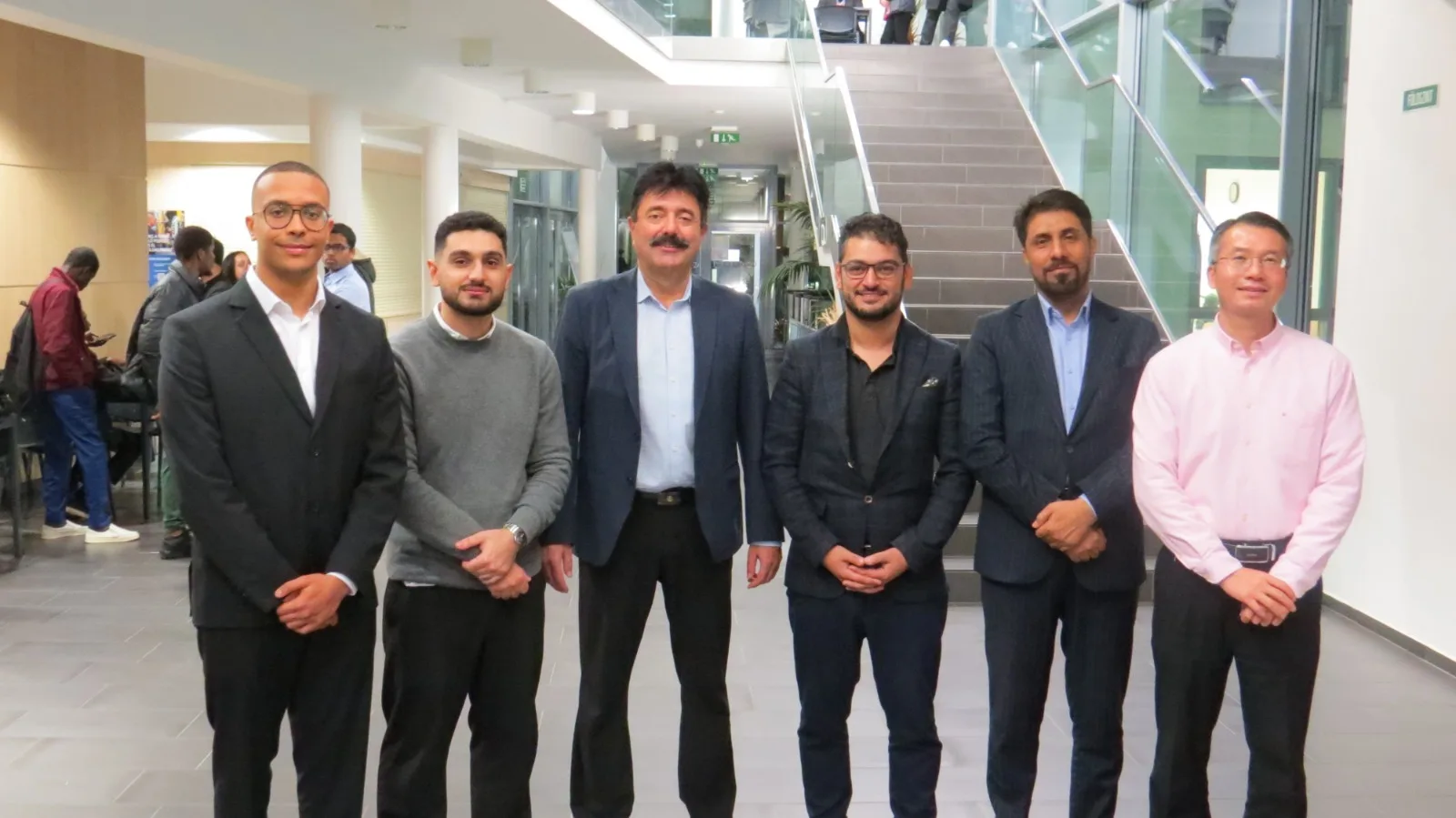
During my undergraduate studies I worked as a part-time AI researcher under the supervision of Dr. Attila László Gilányi, on computer vision with a focus on markerless motion capture. The research was funded by the Talent UD (DETEP) programme, presented at the University of Debrecen student research conference, and received a nomination to Hungary's national research conference; the paper is being prepared for journal publication. Camera-based AI workflows cut setup time by up to 80% and cost by 50%, lowered production time by 40% and post-processing by a further 30%, which matters for animation, biomechanics, sports analytics, and virtual production.
02
Comparing six systems fairly
Every system was measured the same way: how far each predicted joint sat from where it actually was, averaged across the body. Where camera placement or body size would distort that comparison, the poses were aligned first, so what was judged was the shape of the movement rather than its position in the room. The movements were graded from simple to difficult, because that is where systems separate. Anything can track a slow squat in clear view. The errors appear when the body moves fast and one limb hides another.
03
Writing it up
The evaluation became a paper, presented at the university's student research conference and now being prepared for journal submission. Writing it changed the work. A number in a notebook only has to convince you. A number in a paper has to say how it was produced, and any claim that one system beats another has to hold up when a reviewer asks under what conditions.